
An independent guide published for information only. This site is not affiliated with, endorsed by or operated by any property named on it, and it takes no reservations.
An independent guide to hospitality

Seven properties, one honest way of describing them.

Paradise House is a reading guide to seven hospitality properties: where they sit, what their rooms and public spaces are like, and what the surrounding area offers. Every entry follows the same structure, and every entry ends where a description should end — at the property's own official listing page, where the details live.

The catalogs

Two ways to read the guide

The same seven properties, sorted two ways. One shelf holds the entries we keep coming back to; the other holds the largest, most fully-equipped destinations in the guide.

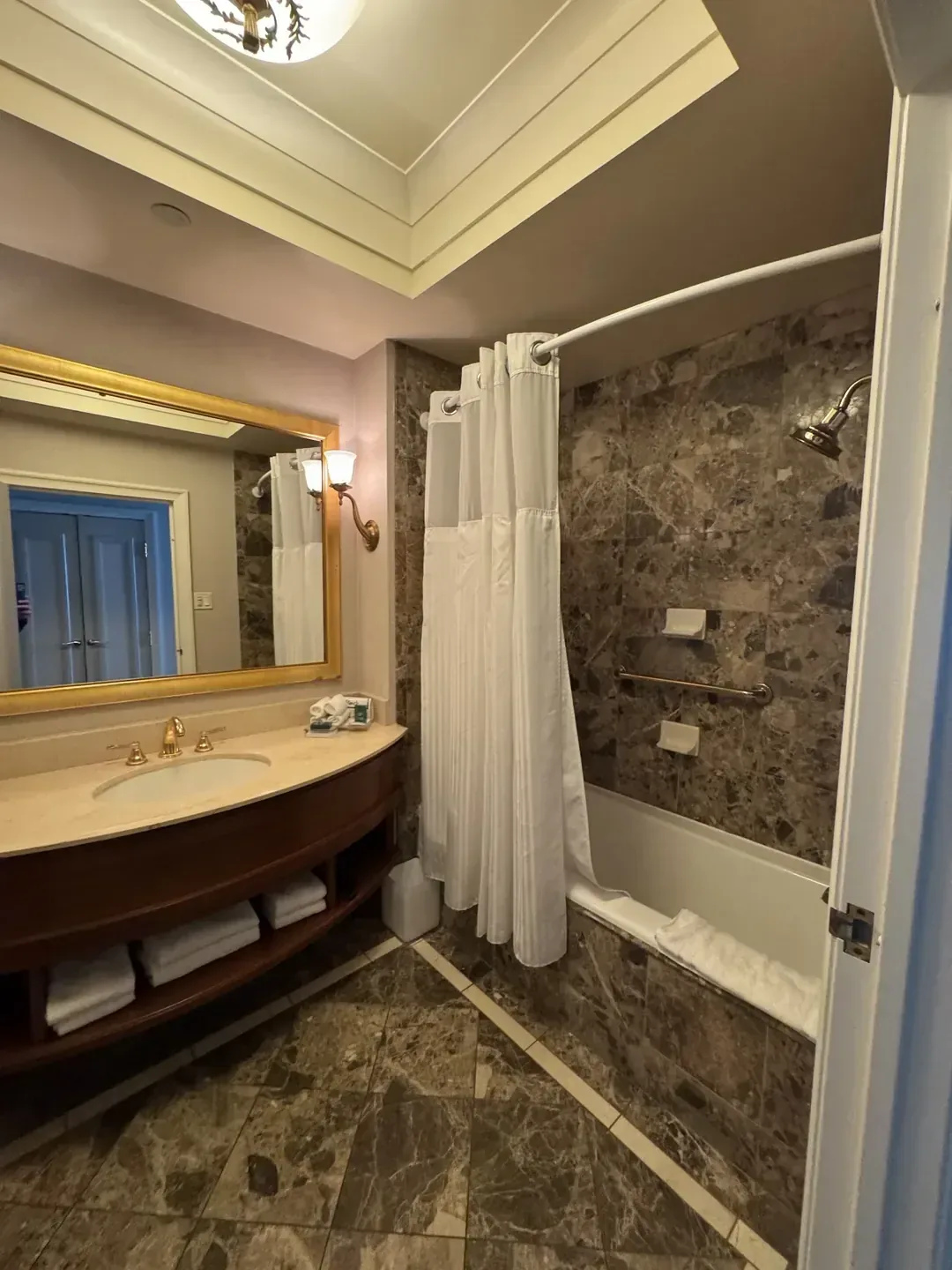
Hilton Lac-Leamy, Gatineau

Featured Highlights

A rotating selection of entries from across the guide, presented for information rather than as a ranking. It is a place to start reading: four properties, each described in the guide's usual terms, each ending at its own official listing.

Explore Featured Highlights
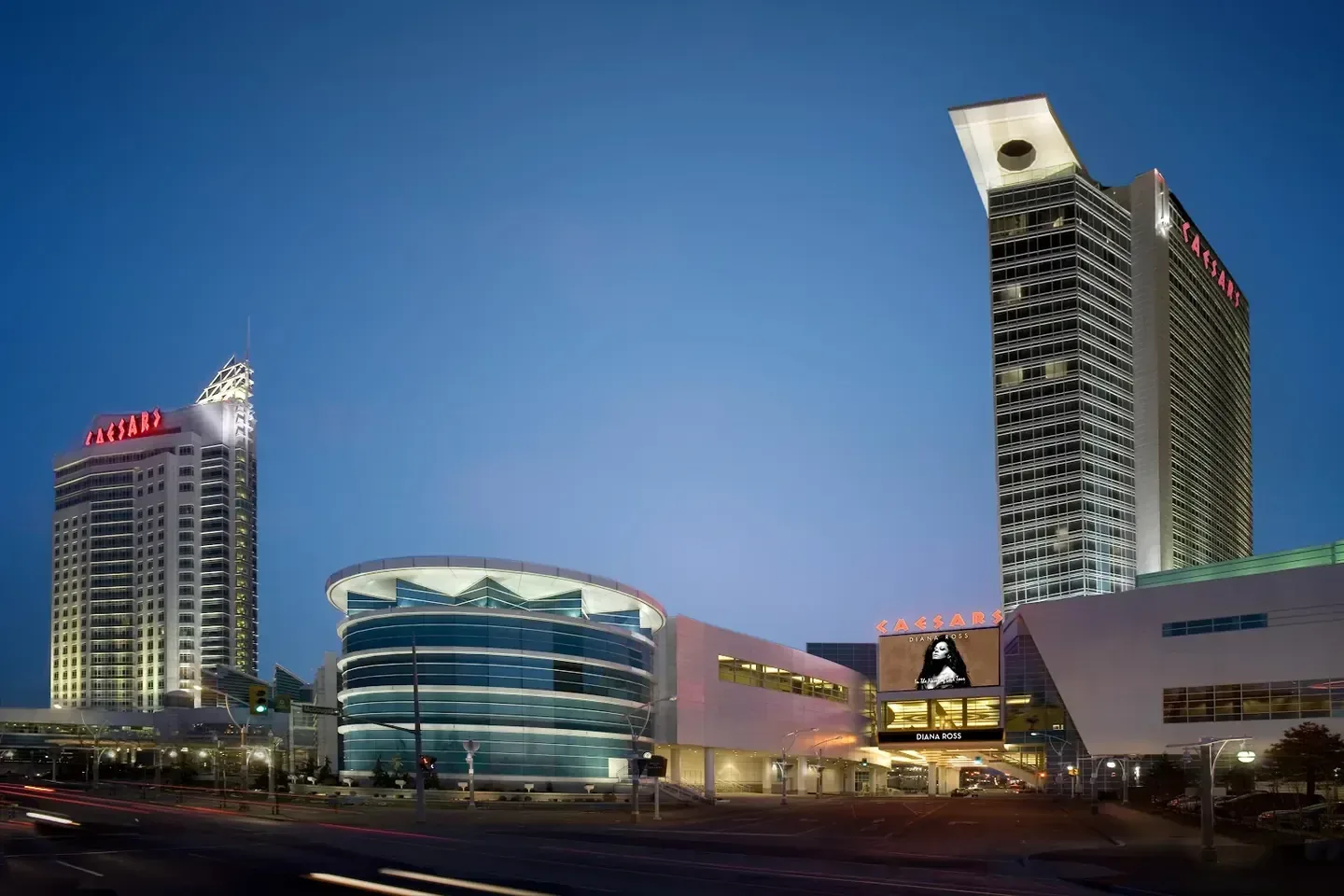
Caesars Windsor, Windsor

Premier Properties

The largest and most fully-equipped properties in the guide — resorts and integrated destinations where dining, wellness and event space sit alongside the rooms. Three entries, in their own setting.

Explore Premier Properties
Our commitment

Clarity is the whole product

This guide has one promise, and it is a small one: to describe each property accurately and in the same way, without selling you anything.

Every entry in this guide passes the same test before it is published. The setting is described in plain terms. The rooms are described as a category, not as an inventory. The dining and the public space are described as a place is described — by what it feels like to be in, not by what a brochure claims.

What the guide does not do matters as much as what it does. There is no booking function, no availability, and no figure for money anywhere on the site. The entry tells you what a property is; the official listing tells you everything else. That division of labour is the entire method, and we hold it on every page.

Reading the entries

What to look for in a stay

Three questions separate a useful description from a promotional one. The guide applies all of them to every property, and it shows its working.

01

The setting

Where the property actually sits — a shoreline, a valley, a plain, a border city — and how that place shapes a day there. The setting is the one fact that cannot be changed by a refurbishment.

02

The character

What the property is known for being, in its own right: a resort, a historic house, a mountain destination. The guide describes character from the outside in, and never ranks one property against another.

03

The official listing

The last line of every entry. Details, current facilities and availability sit with the property's own listing, and the guide's job is done the moment you are pointed at it.

What a stay usually includes

The four categories, applied everywhere

Every property in this guide is described across the same four categories, in the same order. Here is what each one covers.

Rooms

The category the guest spends the night in. Each entry describes the room offering as the property presents it, with the star class as the one fixed point of reference.

Dining

Where a stay gets its meals, from the main room to the informal corner. The guide describes the dining character and leaves the current menus to the official listing.

Wellness

The facilities built for resting, not checking in. Described as part of the destination's rhythm rather than as a list of treatments on offer.

Public space

The lobby, the promenade, the view — everything a guest sees before crossing the threshold into a room. Often the truest description of what a property is.

Coverage
Alberta Quebec Ontario British Columbia

Four provinces, seven properties, and no single region dominant. The guide is deliberately spread across the country — a shoreline resort in one corner, a mountain destination in another — so that each entry is a place in its own right, not a row in a comparison table.

Visitor feedback

What readers say about the guide

What I came for was the rooms, and what I actually used was the context — the setting, the region, what the place is known for. That turned out to be more useful to me than any list of amenities ever was.
Sylvia W.
I noticed the absence of pressure before I noticed anything else. No prices, no prompts, no little nudges to hurry — and I stayed reading longer because of it, which I don't usually do on this kind of site.
Damien L.
I used the categories to narrow things down before I went looking anywhere else. Same structure on every entry, which meant I could compare the shape of a place quickly and then let the official listings handle the rest.
Karen R.